
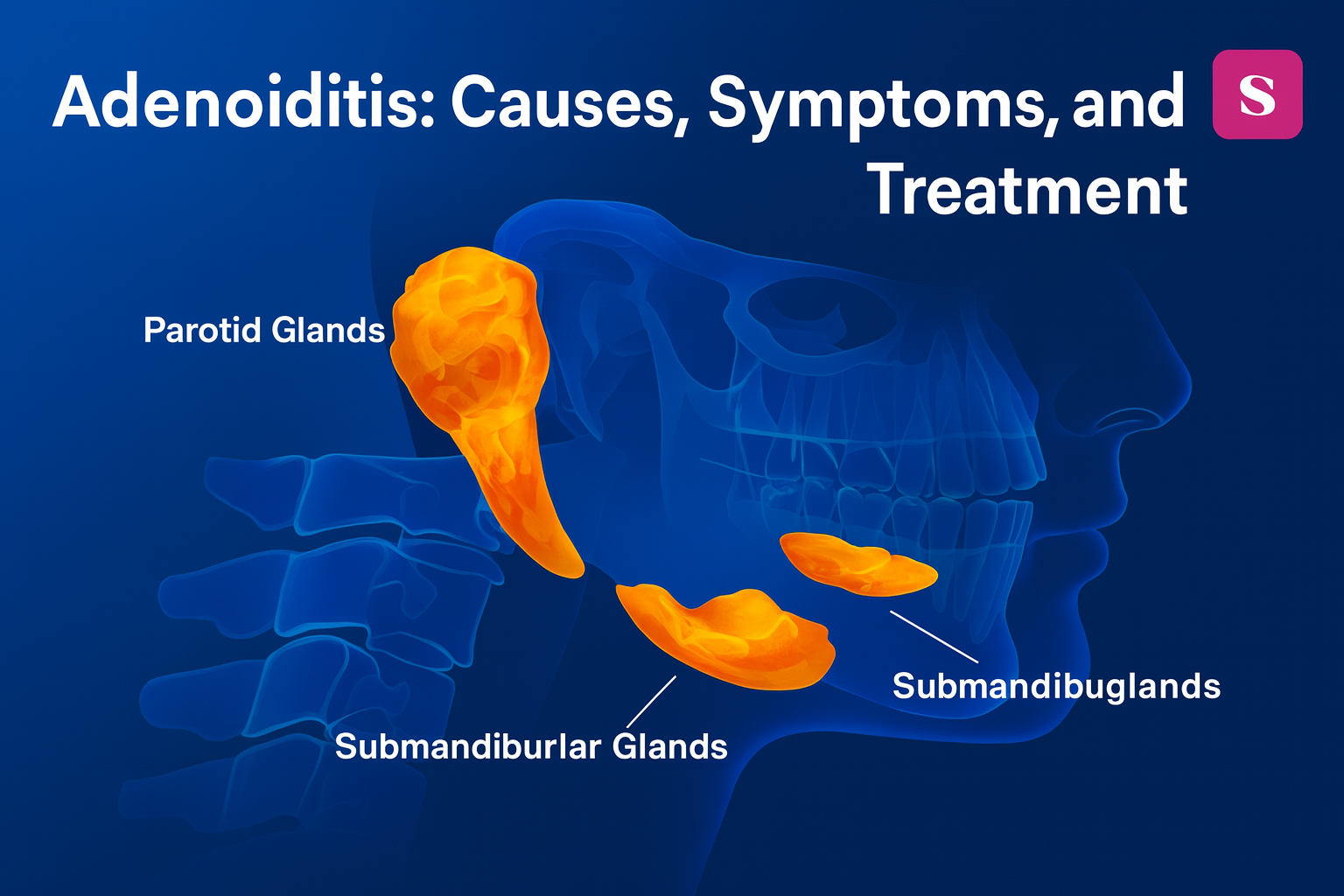
Adenoidid, also known as adenoiditis, is the inflammation or swelling of the adenoids. Small lymphatic tissues known as adenoids can be found near the throat at the back of the nasal cavity. By assisting the body in the fight against infections, they play a crucial role in the immune system during childhood. However, when these tissues become infected, they can cause a range of health problems. Adenoidid is more prevalent in children, but it can occasionally affect adults as well.
What Are Adenoids?
Adenoids are part of the lymphatic system, along with the tonsils. They act as the body’s first line of defense against bacteria and viruses entering through the mouth and nose. Unlike tonsils, adenoids are not visible without special medical instruments because of their location. As children grow, adenoids usually shrink and often disappear completely by adolescence.
Causes of Adenoidid
The primary cause of adenoidid is infection, most often due to bacteria or viruses. When germs enter the body, the adenoids trap them to prevent further spread. In some cases, the infection becomes too strong, leading to inflammation of the adenoids.
Common causes include:
- Bacterial infections such as Streptococcus.
- Viral infections like flu, common cold, or adenovirus.
- Allergic reactions, which may cause swelling and congestion.
- Chronic sinusitis or throat infections, which put extra strain on the adenoids.
Children who are frequently exposed to germs at school or daycare are more likely to develop adenoidid.
Symptoms of Adenoidid
The symptoms of adenoidid vary depending on the severity of the infection. The most common signs include:
- Nasal congestion: Blocked or stuffy nose.
- Mouth breathing: Since the nasal passage is blocked, the child breathes through the mouth.
- Snoring or noisy breathing during sleep.
- Frequent ear infections due to blockage of the Eustachian tube.
- Sore throat and difficulty swallowing.
- Swollen neck glands in severe cases.
- Sleep disturbances, including sleep apnea, where breathing pauses for a short time during sleep.
If untreated, adenoidid can lead to complications such as chronic ear infections, sinusitis, or even delayed speech development in young children.
Diagnosis
Adenoidid is diagnosed by a doctor after a physical examination. Since adenoids cannot be seen through the mouth directly, the doctor may use special instruments like an endoscope or perform an X-ray of the nasal cavity. In some cases, a sample may be taken to identify the type of bacteria causing the infection.
Treatment Options
Treatment for adenoidid depends on the severity and frequency of the infection.
- Medications
- Antibiotics are prescribed if the infection is bacterial.
- Pain relievers and fever reducers help manage symptoms.
- Nasal sprays may be used to reduce swelling.
- Antibiotics are prescribed if the infection is bacterial.
- Home Remedies
- Adequate rest and hydration.
- Warm salt-water gargles for throat relief.
- Steam inhalation to clear nasal passages.
- Adequate rest and hydration.
- Surgery (Adenoidectomy)
- If adenoidid becomes chronic or causes repeated ear infections and breathing problems, surgical removal of the adenoids may be recommended.
- Adenoidectomy is a simple and safe procedure, usually done in children. Since adenoids are not essential for the immune system after early childhood, their removal does not cause long-term health problems.
- If adenoidid becomes chronic or causes repeated ear infections and breathing problems, surgical removal of the adenoids may be recommended.
Prevention
While it is not always possible to prevent adenoidid, parents can take steps to reduce the risk:
- Encouraging good hygiene, such as regular handwashing.
- Avoiding close contact with sick individuals.
- Keeping the child’s environment clean and free of allergens.
- Strengthening immunity with a balanced diet and proper rest.
Conclusion
Adenoidid is a common condition in children that can cause breathing difficulties, sleep problems, and recurrent infections if left untreated. While medications can often manage mild cases, severe or recurring infections may require surgical removal of the adenoids. With timely diagnosis and proper care, children with adenoidid can recover fully and lead healthy, active lives. Parents should consult a doctor if their child shows persistent symptoms like nasal blockage, snoring, or frequent ear infections, as early treatment prevents complications.