
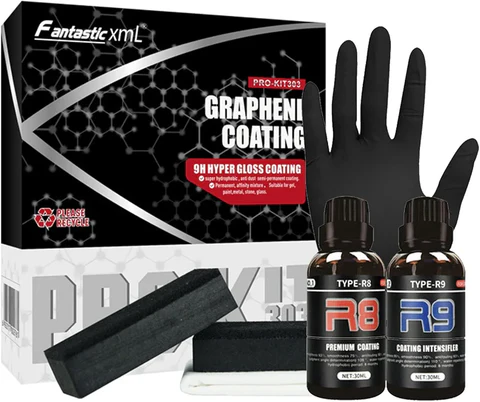
Keeping a car looking fresh beyond the first few years is harder than it sounds. Dust settles daily, sunlight dulls the finish, and traffic residue slowly takes away that showroom glow. Many owners start with waxing, only to realise the shine fades within weeks. This is why longer-lasting paint protection solutions, especially 9H ceramic coating, have become so widely discussed among detailing professionals.
At the same time, workshops frequently suggest paint protection film in Bangalore packages for physical shielding. The overlap in recommendations often leaves owners wondering which option actually makes sense for their vehicle. The answer becomes clearer once you understand what 9H ceramic coating truly offers and where its role ends.
What Makes 9H Ceramic Coating Different
A 9H ceramic coating is not a polish or sealant. It is a liquid that hardens into a clear layer that sticks to the clear coat. The “9H” label means that the surface is very hard, which means it won’t get fine scratches or swirl marks from washing.
Ceramic coating is different from waxes because it bonds with the paint structure instead of just sitting on top of it and breaking down when it gets hot or gets wet. It stays stable through washing cycles and exposure to the weather once it has dried. This is why vehicles with coatings tend to stay shiny for a lot longer than those that are protected in other ways.
Another noticeable trait is hydrophobic behaviour. Water gathers into tight droplets and slips off panels rather than spreading. That beading effect is not merely aesthetic, it limits mineral residue and reduces staining after rain or washing.
Protection in Everyday Driving Conditions
Paint deterioration rarely happens suddenly. It is the result of constant, low-level exposure. UV radiation gradually oxidises clear coat. Airborne pollutants settle and react with the surface. Hard-water deposits leave microscopic etching over time. Each factor slightly roughens the finish until gloss fades.
A properly installed 9H ceramic coating acts as an intermediary layer. Environmental contaminants interact with the coating instead of the paint underneath. Because the surface energy is low, dirt and residue do not anchor firmly and rinse away more easily.
Owners often notice that their cars appear cleaner even after extended use. The effect comes less from added shine and more from reduced contamination adhesion.
Where Ceramic Coating Reaches Its Limits
Despite its hardness rating, ceramic coating is not impact-absorbing. Sharp gravel, road debris, or mechanical abrasion can still breach the coating and damage the paint beneath. The layer is thin by design, prioritising chemical and environmental resistance rather than cushioning force.
This is why paint protection film in Bangalore installations is frequently discussed alongside ceramic coatings. PPF is a thicker urethane film placed over vulnerable panels, bumpers, bonnet edges, and door sills, where chips and scuffs occur most often. It absorbs physical impact that coatings cannot.
They don’t compete with each other; instead, they deal with different risks. For example, ceramic coating protects against oxidation, staining, and wear from washing, while PPF protects against direct mechanical damage.
Choosing the Best Option for Your Car
The best protection for a car depends less on what the product says and more on how the car is used. Ceramic coating does a great job of protecting cars that are mostly driven in the city from sunlight, dust, and rain. It keeps things clear, slows down fading, and makes cleaning easier.
Cars that spend a lot of time on highways or in crowded parking lots are more likely to get stone chips and scratches. In those situations, putting film on high-impact areas while painting the rest of the surface gives you even coverage.
For many owners, just ceramic coating is enough to keep the look good. Others like the extra peace of mind that film gives them where the risk of damage is highest. There is no one-size-fits-all answer; the type of protection and the driving environment must match.
Everyday Maintenance Benefits
One of the biggest reasons ceramic coatings gained popularity is how noticeably they change routine care. Dirt releases faster during washing, reducing effort. Water slides off panels, shortening drying time and lowering the likelihood of spotting.
Because the coating isolates the clear coat from oxidation and chemical staining, frequent polishing becomes unnecessary. This matters more than many realise: polishing removes microscopic paint thickness each time. Preserving original clear coat depth supports long-term finish health and resale value.
Owners who previously relied on repeated waxing often find ceramic protection far more practical over the years.
Why Application Quality Matters
The effectiveness of any 9H ceramic coating depends heavily on preparation. Paint must be fully decontaminated and corrected before application. Residual swirls or bonded particles become permanently sealed beneath the coating layer if left untreated.
Professional detailers focus extensively on surface refinement for this reason. Even bonding and proper curing determine gloss uniformity and longevity. When applied correctly, ceramic coatings can perform for years; when rushed, they may show uneven reflection or shortened durability.
Choosing skilled installation is therefore as important as selecting the coating itself.
Conclusion
So, what kind of coating is best for protecting cars? For drivers who want their cars to stay shiny for a long time, be easy to clean, and be protected from wear and tear from the environment, 9H ceramic coating is still one of the best options. It keeps the paint clear and protects it from damage that happens over time from sunlight, moisture, and pollutants.
That being said, it shouldn’t be used instead of physical shielding. Paint protection film in Bangalore services work well with ceramic coating because they protect areas that get a lot of damage from stone chips or scratches.
The best way to protect something is not to choose one over the other but to match the protection to how it will be used in real life. Ceramic coating is still one of the best ways to keep car paint looking good and bright for years if you prepare and use it correctly.