
Introduction
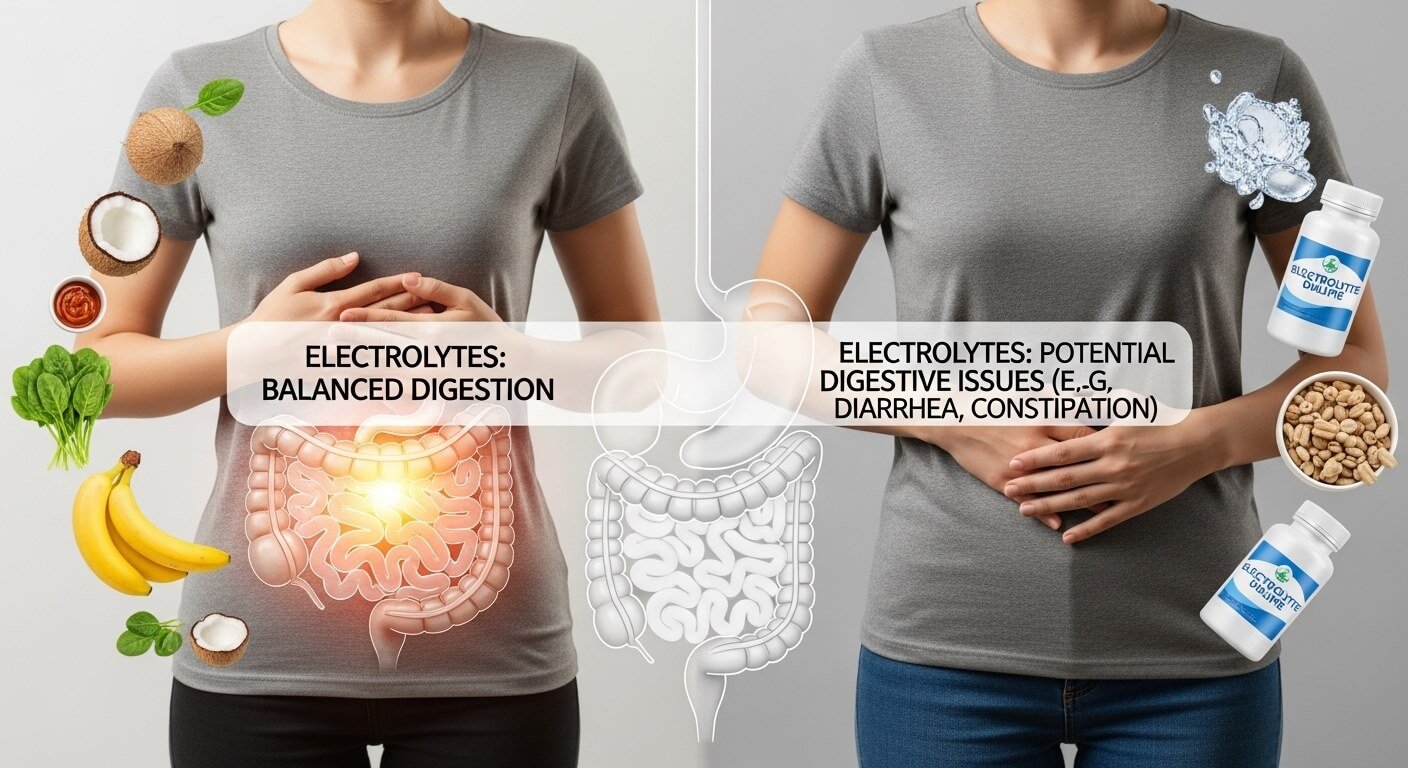
Many people drink electrolyte drinks to stay hydrated after workouts, illness, or hot weather. However, some people notice changes in digestion and start asking an important question: do electrolytes make you poop? Digestive changes such as more frequent bowel movements or mild diarrhea can happen after consuming electrolyte drinks. The good news is that understanding how electrolytes affect digestion can help you use them safely. By choosing the right dosage, staying balanced with water intake, and understanding your body’s response, you can enjoy the benefits of electrolytes without digestive discomfort.
What Are Electrolytes?
Electrolytes are essential minerals in the body that carry an electrical charge. They help regulate many important body functions such as hydration, nerve signals, and muscle movement.
Common electrolytes include:
- Sodium
- Potassium
- Magnesium
- Calcium
- Chloride
- Phosphate
These minerals are found naturally in foods and drinks and are often added to sports drinks or hydration solutions.
Electrolytes play a major role in maintaining fluid balance in the body. Without enough electrolytes, the body may experience fatigue, muscle cramps, dehydration, and other health issues.
Why Electrolytes Are Important for the Body
Electrolytes support many critical body processes. Some of their key roles include:
Maintaining Hydration
Electrolytes help the body absorb and retain water, which keeps cells properly hydrated.
Supporting Muscle Function
Muscles rely on electrolytes to contract and relax properly.
Regulating Nerve Signals
Electrolytes help transmit electrical signals between nerves and muscles.
Balancing pH Levels
The body must maintain a stable acid–base balance, and electrolytes help regulate this process.
Because of these functions, electrolyte drinks are commonly used during intense exercise, illness, or dehydration.
Do Electrolytes Make You Poop?
The question do electrolytes make you poop depends on several factors such as the type of electrolyte, the amount consumed, and individual digestive sensitivity.
Some electrolytes can affect digestion because they influence how the body moves fluids through the intestines. When electrolyte levels increase, they may stimulate bowel activity or draw water into the intestines.
This process can sometimes result in:
- Faster bowel movements
- Softer stools
- Increased digestive activity
However, this effect does not happen to everyone. For many people, electrolyte drinks simply support hydration without affecting digestion.
Electrolytes and Bowel Movements
Understanding electrolytes and bowel movements requires looking at how minerals interact with the digestive system.
Certain electrolytes influence how the intestines absorb and release water.
Magnesium
Magnesium is known to relax muscles and draw water into the intestines. This is why magnesium supplements are sometimes used as natural laxatives.
Sodium
Sodium helps regulate fluid balance in the body. Too much sodium combined with high fluid intake can stimulate digestion.
Potassium
Potassium supports nerve and muscle function, including the muscles that control intestinal movement.
Because of these effects, electrolyte intake can sometimes increase bowel activity.
Can Electrolytes Cause Diarrhea?
Some people also ask can electrolytes cause diarrhea, especially after drinking sports drinks or electrolyte powders.
In some situations, the answer is yes.
Possible reasons include:
High Magnesium Content
Magnesium can increase water in the intestines, which may lead to loose stools.
High Sugar Content
Some sports drinks contain large amounts of sugar, which can irritate the digestive system.
Overconsumption
Drinking too many electrolyte drinks in a short period may overwhelm the digestive system.
Individual Sensitivity
Some people have more sensitive digestive systems and may react more strongly to electrolyte intake.
Moderation usually prevents these problems.
Electrolyte Drinks Digestion Effects
The electrolyte drinks digestion effects vary depending on ingredients and how the body processes them.
Hydration Improvement
Electrolytes help the body absorb water efficiently, which can support healthy digestion.
Increased Gut Motility
Certain electrolytes stimulate intestinal movement, which may increase bowel activity.
Fluid Balance in the Intestines
Electrolytes help regulate fluid levels inside the digestive system.
Faster Nutrient Absorption
Electrolytes may support the transport of nutrients across intestinal cells.
Overall, electrolyte drinks can influence digestion but usually do so in a beneficial way when consumed properly.
Electrolytes and Digestive Health
The relationship between electrolytes and digestive health is important for maintaining overall wellness.
Electrolytes support digestion in several ways:
Maintaining Fluid Balance
Proper hydration helps food move smoothly through the digestive tract.
Supporting Muscle Contractions
The intestines rely on muscle contractions to move food and waste through the body.
Preventing Dehydration
Dehydration can cause constipation, and electrolytes help prevent this issue.
Supporting Gut Function
Balanced mineral levels support healthy digestive processes.
For this reason, electrolyte balance is essential for digestive health.
When Electrolytes May Affect Digestion
Although electrolytes are beneficial, certain situations may increase the chance of digestive changes.
Drinking Large Quantities Quickly
Consuming large amounts of electrolyte drinks at once may stimulate bowel activity.
Sensitive Digestive Systems
People with digestive disorders may notice stronger effects.
High-Sugar Sports Drinks
Sugary drinks may irritate the stomach and intestines.
Magnesium Supplements
High magnesium intake is one of the most common causes of electrolyte-related diarrhea.
Understanding these factors can help prevent digestive discomfort.
Tips for Using Electrolytes Safely
If you want to avoid digestive issues, follow these practical tips:
Drink Electrolytes in Moderation
Stick to recommended serving sizes.
Choose Low-Sugar Options
Electrolyte powders or drinks with less sugar are easier on the stomach.
Stay Hydrated With Water
Electrolytes work best when combined with regular water intake.
Pay Attention to Ingredients
Check labels for magnesium levels and artificial additives.
Listen to Your Body
If a product causes digestive issues, consider switching brands or reducing intake.
These strategies help maintain balance without unwanted side effects.
Who Should Use Electrolytes?
Electrolytes are especially useful for people who lose fluids through sweating, illness, or intense physical activity.
Common situations include:
- Athletes during workouts
- People recovering from illness
- Individuals in hot climates
- Those experiencing dehydration
For most healthy individuals, normal food and water intake already provide sufficient electrolytes.
Natural Sources of Electrolytes
Electrolytes are not only found in sports drinks. Many foods naturally contain them.
Examples include:
- Bananas (potassium)
- Coconut water (natural electrolytes)
- Dairy products (calcium)
- Leafy greens (magnesium)
- Salted foods (sodium)
Eating a balanced diet often provides enough electrolytes without needing supplements.
Conclusion
Electrolytes are essential minerals that help regulate hydration, nerve signals, and muscle function. Many people wonder do electrolytes make you poop, and the answer depends on factors such as dosage, ingredients, and individual digestive sensitivity. Certain electrolytes like magnesium can increase bowel activity, while excessive intake of electrolyte drinks may sometimes cause diarrhea. However, when consumed in moderation, electrolytes usually support hydration and overall digestive health. Understanding how your body responds and choosing balanced electrolyte sources can help you enjoy their benefits without unwanted digestive effects.
FAQ
Do electrolytes make you poop more often?
Sometimes. Electrolytes can stimulate bowel movement if they affect fluid balance in the intestines.
Can electrolyte drinks cause diarrhea?
Yes, excessive intake or high magnesium content may lead to diarrhea.
Are electrolytes good for digestion?
Yes, balanced electrolyte levels help maintain hydration and support healthy digestive function.
Should I stop drinking electrolytes if they affect digestion?
You may reduce the amount or choose a different product with lower sugar or magnesium.
Are natural electrolyte sources better than sports drinks?
Natural foods like fruits and vegetables often provide electrolytes without added sugars or artificial ingredients.