Introduction
Many microfinance companies, small lenders, and loan officers struggle with one common problem: payment collection is slow, confusing, and hard to track. Paper receipts get lost, spreadsheets become messy, and manual updates create errors. These issues lead to delays in repayments, poor cash flow, and frustrated customers.
The solution to this long-standing problem is a smart digital collection system that makes payments easier to record, track, and manage. That is exactly what miflow collection provides. It brings all loan repayment and collection tasks into one simple digital platform, so institutions can work faster, more accurately, and with greater transparency. By using this system, lenders can improve their operations, reduce mistakes, and provide a smoother experience to customers from day one.
1. What Is MiFlow Collection?
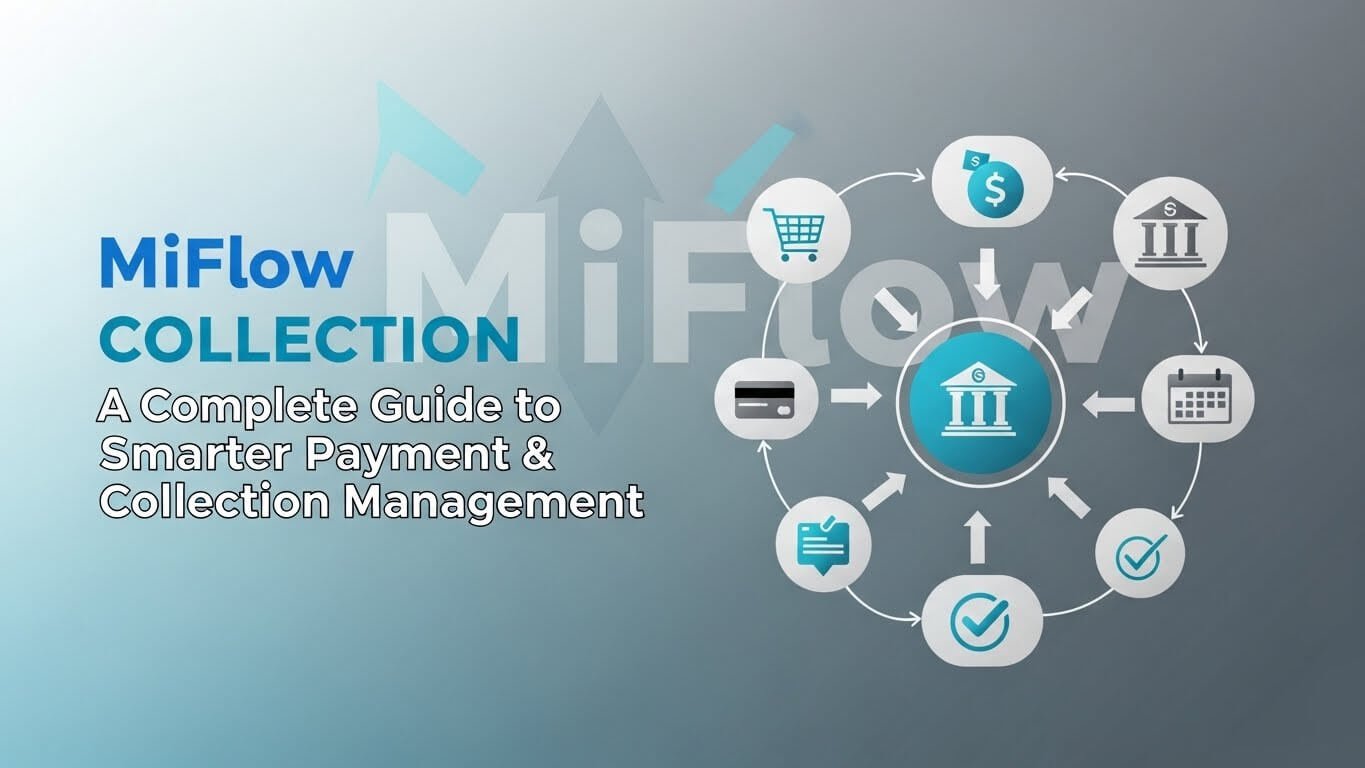
MiFlow Collection (also known as MERC – Microfinance Collection Repository) is a web-based platform created to help microfinance institutions manage loan repayments digitally. Instead of dealing with piles of paperwork, field reports, or manual logs, lenders can store all loan information in one place.
It includes loan details, customer information, repayment schedules, overdue amounts, and collection reports, all stored securely. This makes it easier for teams to know who has paid, who is pending, and which customers need reminders.
This system is widely used by microfinance institutions, NBFCs, field collection officers, and business loan departments. The main purpose is simple: to make repayment tracking smooth, accurate, and fast.
2. Why Traditional Payment Collection Methods Fail
Before understanding the benefits of MiFlow, it is important to see why older methods caused big challenges.
a. Errors and Missing Records
Paper records and manual notes can be lost or mixed up. Even a small mistake in calculation can create confusion between the lender and borrower.
b. Delayed Updates
Field collectors often update records at the end of the day, which causes delays. Managers cannot see real-time payment status.
c. High Manual Work
From writing receipts to updating ledgers, everything takes time. Human effort also increases the chance of errors.
d. Poor Customer Experience
Borrowers may not receive clear updates about their dues. Without proper reminders, they sometimes miss payment dates unknowingly.
e. No Transparency
Manual systems do not provide instant history, reports, or alerts. This lack of transparency slows down decision-making.
All these problems show why companies now prefer a digital collection system instead of outdated methods.
3. Why Digital Collection Systems Matter Today
Digital collection tools are becoming essential for every financial institution. Here’s why:
a. Faster and More Accurate Work
Automation reduces mistakes. Updates happen instantly when payments are recorded.
b. Better Cash Flow
Timely reminders and easier tracking help institutions collect payments sooner. This improves financial stability.
c. Time and Cost Savings
Employees save time because they don’t need to do manual entries. When staff work efficiently, institutions also save money.
d. Better Borrower Experience
Customers appreciate clear communication. When borrowers know their outstanding amount and payment dates, they repay faster and with more confidence.
e. Secure Data and Easy Auditing
Digital records are always available, backed up, and highly secure. Audits become smoother because all information is stored cleanly.
MiFlow, as a business payment collection tool, supports all these advantages.
4. How MiFlow Collection Works
To understand the full power of the platform, let’s break down how miflow collection works.
Step 1: Loan Creation and Customer Entry
The lender enters the customer information:
- Loan amount
- Tenure
- Interest
- Repayment schedule
- Customer contact details
This ensures the database stays organized from day one.
Step 2: Assigning Loans to Collection Officers
Field collectors or loan officers receive assigned accounts. They can check dues, payment status, and customer history through the platform.
Step 3: Payment Recording
When a customer pays:
- Cash collections
- Digital payments
- EMI deposits
…the system updates the account immediately.
Step 4: Automatic Receipt Generation
MiFlow can generate digital receipts, reducing the need for paper receipts.
Step 5: Real-Time Reports
Managers can see:
- Daily collection
- Pending payments
- Total outstanding
- Default risks
This helps in better planning and quick decision-making.
5. Key Features of MiFlow Collection
Here are the main features that make it a powerful tool:
1. User-Friendly Dashboard
The dashboard provides a clear view of all loans, collections, targets, and performance insights.
2. Accurate Payment Tracking
If any installment is late, the system highlights it. Loan histories are stored clearly, so officers can see every detail.
3. Automation of Routine Work
Payment reminders, due alerts, and record updates happen automatically.
4. Safe and Secure System
Data protection is one of the strongest advantages. Only authorized users can access the information.
5. Centralized Information
All customer data, repayment schedules, and outstanding dues stay in one place. This is easier than managing multiple files.
6. Mobile Access (Using MiFlow App)
With the MiFlow app, field agents can update payment status from anywhere. This removes the need for manual logs.
7. Easy Reporting and Analytics
The system generates reports that help the management track performance, spot delays, and plan more effectively.
6. Benefits of Using MiFlow Collection
Using a digital tool gives microfinance companies several benefits:
a. Higher Efficiency
Work that took hours manually now takes minutes.
b. Lower Chance of Human Error
Because most tasks are automated, errors reduce significantly.
c. Better Customer Communication
Borrowers receive timely updates about dues, receipts, and reminders.
d. Real-Time Updates
Managers no longer wait for end-of-day reports. Everything is visible instantly.
e. Easy Monitoring of Field Officers
Supervisors can check daily collections and performance without calling each agent.
f. Ideal for Large Loan Volumes
When institutions handle thousands of customers, MiFlow makes management smooth and organized.
7. How MiFlow Helps Microfinance Institutions
Microfinance institutions benefit the most from systems like MiFlow because:
- They handle small loans in large numbers.
- Their customers often repay in weekly or monthly installments.
- Field agents travel frequently, so digital updates help reduce delays.
Using this tool ensures accuracy and professionalism, making the institution more reliable in the eyes of borrowers.
8. Challenges Without a Digital System
Without a system like miflow collection, lenders face issues such as:
- Difficulty in tracking overdue payments
- Misunderstandings between borrowers and officers
- Incorrect balance records
- Delayed completion of daily tasks
- Inability to monitor collection teams
This shows why switching to a digital platform is a smart decision.
9. Best Practices for Using MiFlow Collection
To get the best results, institutions should:
Train Staff Properly
Make sure the team knows how to use the MiFlow platform or MiFlow app effectively.
Keep Customer Data Updated
Add correct phone numbers, addresses, and loan details.
Use Digital Payments When Possible
This improves tracking and reduces fraud.
Monitor Reports Regularly
Daily reports show which customers need reminders.
Provide Borrowers Regular Notifications
Clear communication builds trust and reduces missed payments.
10. Future of Digital Collection Systems
Digital collection systems will continue to grow because:
- Borrowers prefer convenience
- Lenders want faster results
- Technology is becoming more affordable
- Mobile banking is expanding
- Automation reduces workload
Tools like MiFlow will become standard in the microfinance and small-loan sector in the future.
Conclusion
Payment collection has always been a challenge for microfinance institutions and small lenders. Manual systems create confusion, slow down work, and affect cash flow. By using a modern digital collection system, companies can work more efficiently, improve accuracy, and give customers a better experience.
Tools like MiFlow make all repayment tasks simple — from data entry and tracking to reminders and reporting. Using miflow collection helps institutions grow faster, manage their loan portfolios professionally, and build strong trust with customers.
With a smart approach, proper staff training, and clear communication, MiFlow can transform the entire collection process into a smooth, transparent, and reliable system.