
Introduction
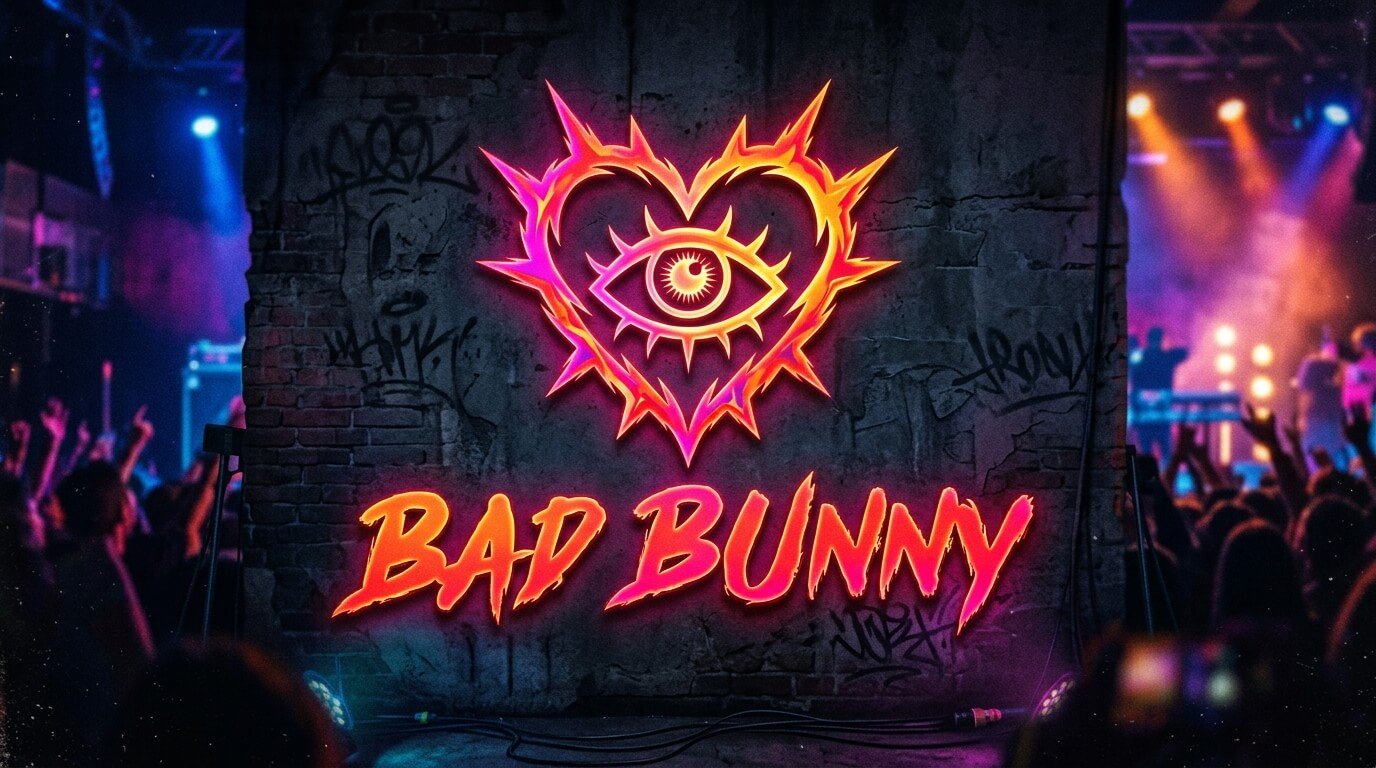
Many fans recognize the iconic rabbit head associated with Bad Bunny, but few understand the story, symbolism, and evolution behind it. This creates confusion about what the logo represents and why it has become one of the most recognizable symbols in modern music culture. The solution is understanding the history, design elements, and deeper meaning behind the bad bunny logo, which reveals how a simple graphic became a global branding success.
The logo is more than just a rabbit illustration. It represents identity, rebellion, creativity, and artistic freedom. Over the years, the symbol has evolved alongside Bad Bunny’s career, becoming a powerful visual asset recognized by millions of fans worldwide.
Who Is Bad Bunny?
Bad Bunny, born Benito Antonio Martínez Ocasio, is a Puerto Rican singer, rapper, songwriter, and global music icon. He rose to fame through Latin trap and reggaeton music before becoming one of the most streamed artists in the world.
His unique musical style, bold fashion choices, and commitment to authenticity helped him build a powerful personal brand. A major part of that brand is the instantly recognizable rabbit-head logo that appears on merchandise, album promotions, social media content, and live performances.
The Origin of the Bad Bunny Logo
The story behind the logo begins with Bad Bunny’s stage name.
According to interviews and brand-history sources, the artist received the nickname after a childhood photograph showed him wearing a bunny costume while looking visibly unhappy. Instead of rejecting the memory, he embraced it and transformed it into a memorable stage identity.
This childhood reference eventually inspired the rabbit-themed logo that fans know today.
The logo transformed a simple childhood memory into a worldwide symbol of creativity and self-expression.
What Does the Bad Bunny Logo Mean?
The logo carries multiple layers of meaning.
1. Personal Identity
The rabbit directly connects to the artist’s stage name and personal history. It makes the brand feel authentic rather than manufactured.
2. Rebellion
The logo’s facial expression and sharp features communicate confidence, independence, and resistance to conventional expectations.
3. Individuality
Bad Bunny has built his career by challenging industry norms. The logo reflects this attitude through its unconventional design and bold visual personality.
4. Artistic Freedom
The symbol represents self-expression and creativity without limitations, which aligns with the artist’s approach to music and fashion.
History of the Bad Bunny Logo
Early Years (2016–2017)
During the early stage of his career, branding was relatively simple.
The first visual versions focused on connecting the rabbit concept with his stage name. The graphics were rough, urban-inspired, and closely tied to Latin trap culture.
Key Characteristics
- Basic rabbit illustrations
- Street-art influences
- Hand-drawn appearance
- Strong black-and-white contrast
These early designs established the foundation of the brand identity.
Growing Popularity (2018–2020)
As Bad Bunny became a global music phenomenon, the logo evolved into a cleaner and more professional design.
The rabbit head became more recognizable and easier to reproduce across merchandise, streaming platforms, and social media.
During this period, branding consistency became increasingly important.
Improvements Included
- Cleaner outlines
- Better scalability
- Stronger visual recognition
- Simplified shapes
This phase helped transform the logo into a mainstream symbol.
Global Brand Era (2021–2026)
As Bad Bunny’s influence expanded internationally, the logo became an essential component of his brand ecosystem.
It appeared across:
- Concert tours
- Clothing collections
- Album campaigns
- Digital promotions
- Fan merchandise
The logo no longer represented only a musician. It became a lifestyle symbol associated with a global fan community.
Design Evolution of the Logo
The evolution of the logo follows a common branding principle: simplification increases recognition.
Original Style
The earliest versions featured more detailed shapes and rough artistic elements.
Transitional Style
Designers refined the symbol while maintaining the rabbit identity.
Modern Style
The current version emphasizes:
- Minimalism
- Clarity
- Versatility
- Instant recognition
This evolution reflects modern branding trends where simple icons often outperform complex designs.
Elements of the Bad Bunny Logo Design
Several visual components make the logo memorable.
Rabbit Head
The rabbit head is the central element.
It creates an immediate connection to the artist’s stage name while remaining simple enough to be recognized instantly.
Ears
The long ears are among the most distinctive parts of the design.
They create a unique silhouette that helps the logo stand out even from a distance.
Eyes
Many versions feature stylized eyes that communicate attitude and personality.
These details reinforce the rebellious image associated with the artist.
Facial Expression
The expression often appears serious, mysterious, or slightly aggressive.
This contrast between a traditionally cute animal and a bold expression creates visual interest.
Symbolism Behind the Logo
The logo succeeds because it balances simplicity with symbolism.
Confidence
The design projects strength and self-assurance.
Creativity
Its unconventional appearance reflects artistic experimentation.
Nonconformity
The symbol challenges expectations, much like Bad Bunny’s music and fashion choices.
Cultural Influence
The logo has become a representation of modern Latin music culture.
For many fans, it symbolizes pride, identity, and artistic freedom.
Font Used in the Bad Bunny Logo
The wordmark associated with the logo often uses bold, hand-drawn typography.
Characteristics include:
- Thick strokes
- Irregular edges
- Street-inspired aesthetics
- Strong visual presence
The typography complements the rabbit icon by reinforcing an urban and rebellious personality.
Rather than appearing corporate or overly polished, the font maintains authenticity.
Colors Used in the Bad Bunny Logo
Black
Black is the most common color used.
It symbolizes:
- Power
- Mystery
- Confidence
- Sophistication
White
White provides contrast and clarity.
It represents:
- Simplicity
- Balance
- Modern design
Special Color Variations
Certain albums and merchandise collections introduce additional colors.
However, black and white remain the most recognizable combination because they maximize visibility and versatility.
Why the Bad Bunny Logo Works So Well
Many celebrity logos fail because they rely too heavily on trends.
This logo succeeds because it follows fundamental branding principles.
Simplicity
People can remember it instantly.
Distinctiveness
Few music artists use a rabbit symbol in this way.
Versatility
The design works on:
- T-shirts
- Posters
- Social media
- Websites
- Album covers
Emotional Connection
Fans associate the symbol with music, memories, and community.
This emotional attachment increases brand loyalty.
Bad Bunny Logo and Merchandise
The logo plays a major role in merchandise sales.
Fans frequently purchase:
- Hoodies
- T-shirts
- Caps
- Accessories
- Posters
The rabbit icon functions almost like a fashion brand emblem.
People often recognize the logo even without seeing the artist’s name.
This demonstrates the strength of the visual identity.
Cultural Impact of the Bad Bunny Logo
Few music logos achieve widespread cultural recognition.
The Bad Bunny symbol has become:
- A fashion statement
- A fan identity marker
- A symbol of Latin music success
- A representation of individuality
Its popularity extends beyond music into fashion, social media, and youth culture.
As Bad Bunny continues expanding his influence, the logo’s cultural significance is likely to grow further.
How the Logo Reflects Bad Bunny’s Brand Personality
The logo perfectly matches the characteristics that define Bad Bunny.
Authentic
The symbol originates from a real childhood story.
Bold
Its visual style reflects confidence and self-expression.
Unique
The design avoids generic celebrity branding.
Memorable
The rabbit icon is instantly recognizable worldwide.
This alignment between brand personality and visual identity is a major reason for its success.
Future of the Bad Bunny Logo
Looking ahead to 2026 and beyond, the logo is expected to remain a central part of Bad Bunny’s branding.
Future developments may include:
- Animated versions
- Interactive digital branding
- Limited-edition design variations
- Expanded fashion collaborations
However, the core rabbit-head identity will likely remain unchanged because it has already achieved iconic status.
Frequently Asked Questions
Why is Bad Bunny’s logo a rabbit?
The rabbit connects directly to his stage name and a childhood photograph that inspired the nickname Bad Bunny.
What does the logo symbolize?
The logo symbolizes individuality, rebellion, creativity, and artistic freedom.
Has the logo changed over time?
Yes. It evolved from rough early designs into a cleaner and more recognizable modern version.
Why is the logo so popular?
Its simplicity, strong symbolism, and connection to a global music superstar make it highly memorable.
Is the logo trademarked?
The logo is part of Bad Bunny’s official brand identity and is generally protected through intellectual property rights.
Conclusion
The bad bunny logo is far more than a simple rabbit illustration. It represents a personal story, a global music movement, and a commitment to individuality. From its origins in a childhood memory to its status as one of the most recognizable symbols in modern entertainment, the logo demonstrates the power of effective branding.
Its combination of simplicity, symbolism, and emotional connection has helped it transcend music and become a cultural icon. As Bad Bunny continues influencing music, fashion, and popular culture, his logo will remain one of the strongest visual identities in the entertainment industry.