Introduction
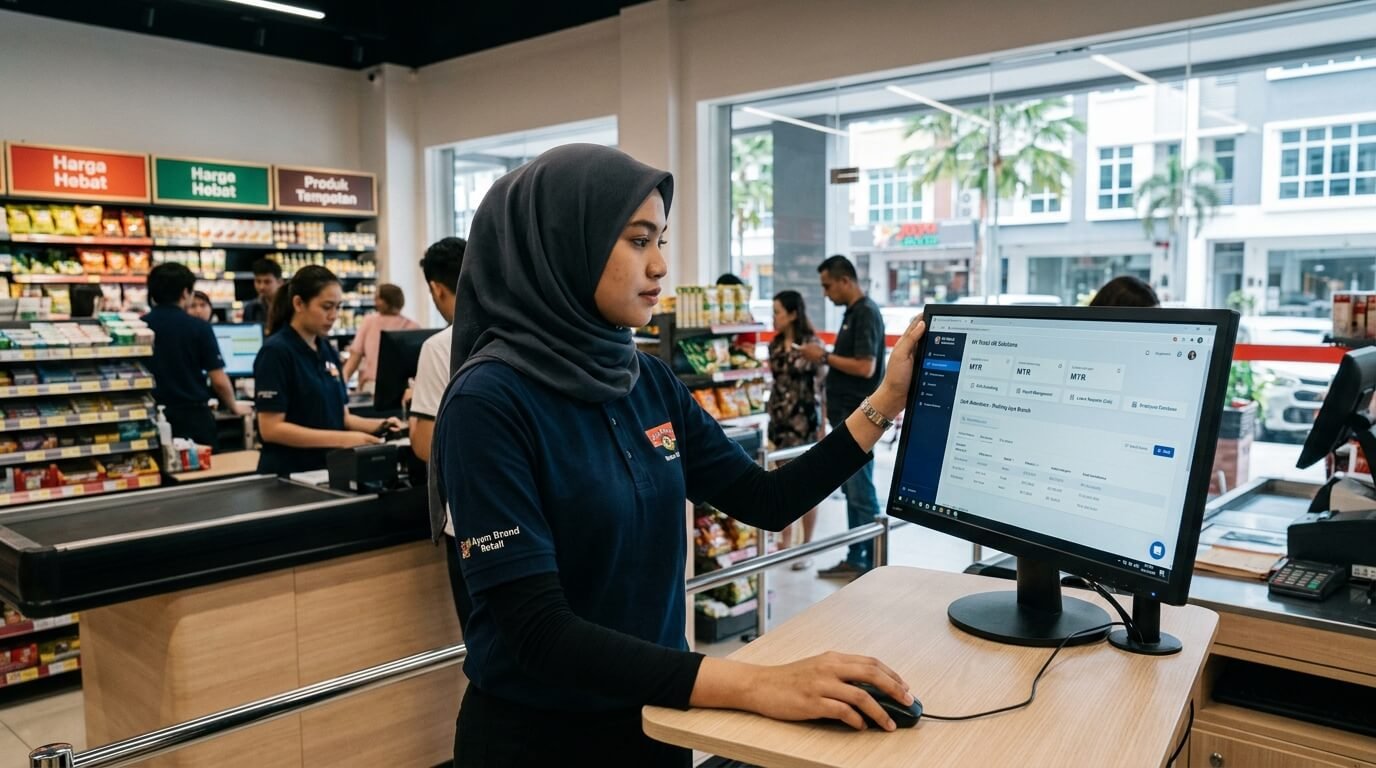
Retail businesses in Malaysia are growing quickly, but managing employees has become more difficult than ever. Many retailers still use spreadsheets, paper records, or manual systems to manage staff schedules, payroll, attendance, and leave requests. These outdated methods often create payroll mistakes, scheduling conflicts, employee dissatisfaction, and compliance problems. The best solution is using Retail HR software Malaysia companies can depend on for automation, workforce efficiency, and business growth.
Modern HR systems help retailers manage employees more effectively through cloud-based tools, mobile apps, automated payroll processing, attendance tracking, and workforce analytics. Businesses that invest in digital HR solutions can improve productivity, reduce labor costs, and create a better employee experience.
Understanding Retail HR Software
Retail HR software is a workforce management system designed specifically for retail businesses. It helps companies manage human resource tasks in one centralized platform.
These systems usually include:
- Payroll management
- Attendance tracking
- Employee scheduling
- Leave management
- Recruitment tools
- Employee performance monitoring
- Claims management
- HR analytics
Unlike traditional HR systems, retail-focused solutions are built to handle shift-based operations, multiple store locations, seasonal workers, and rotating schedules.
Why Retail Businesses Need Digital Workforce Management
The retail industry operates differently from office-based businesses. Employees often work in shifts, weekends, public holidays, and overtime hours. Managing these operations manually can create serious problems.
Staff Scheduling Challenges
Retail stores need the right number of employees during busy hours. Poor scheduling can lead to understaffing or unnecessary labor costs.
Digital scheduling tools help managers assign shifts faster and reduce scheduling conflicts.
Payroll Complexity
Retail payroll can become complicated because of:
- Overtime calculations
- Allowances
- Public holiday pay
- Shift differentials
- Commission payments
Automated payroll systems reduce human error and improve salary accuracy.
High Employee Turnover
Retail businesses often experience frequent staff changes. Recruitment and onboarding tools simplify hiring and training processes.
Compliance Management
Businesses must follow Malaysian labor laws, including:
- EPF contributions
- SOCSO payments
- EIS deductions
- PCB tax calculations
HR systems help companies maintain compliance automatically.
Key Features Businesses Should Look For
Choosing the right workforce management platform is important for long-term success. Retailers should focus on features that solve daily operational challenges.
Payroll Automation
Payroll automation saves time and reduces mistakes. The system calculates salaries, overtime, deductions, bonuses, and statutory payments automatically.
Many businesses now use Retail HR software Malaysia providers offer because it supports local payroll compliance requirements.
Attendance Tracking
Modern attendance systems include:
- Mobile clock-in
- Facial recognition
- GPS attendance
- Biometric integration
- Real-time monitoring
These tools help reduce time fraud and improve workforce visibility.
Employee Scheduling
Scheduling software allows managers to:
- Create shift rosters quickly
- Avoid overlapping shifts
- Track staffing needs
- Manage leave conflicts
- Optimize labor costs
AI-powered scheduling can also predict staffing requirements during busy periods.
Leave Management
Employees can apply for leave using mobile applications. Managers receive notifications and can approve requests instantly.
This process improves transparency and reduces paperwork.
Recruitment and Onboarding
Retail businesses constantly hire new staff members. Recruitment tools help HR teams:
- Post job openings
- Track applications
- Schedule interviews
- Store employee records
- Manage onboarding tasks
Efficient hiring improves workforce stability.
Employee Self-Service Portals
Employees can access:
- Payslips
- Attendance records
- Shift schedules
- Leave balances
- Company announcements
Self-service systems improve communication and employee satisfaction.
Benefits of HR Automation for Retail Stores
Technology is transforming workforce management in the retail sector. Businesses that adopt digital HR solutions gain multiple advantages.
Better Workforce Productivity
Employees and managers spend less time on paperwork and more time serving customers.
Automation reduces repetitive administrative tasks.
Reduced Operational Costs
Optimized scheduling and payroll accuracy help businesses reduce unnecessary expenses.
Smart workforce planning also minimizes overtime costs.
Improved Employee Experience
Employees prefer workplaces with transparent systems and mobile access.
Digital HR tools improve communication, trust, and workplace satisfaction.
Faster Decision-Making
Real-time analytics provide insights into:
- Attendance patterns
- Labor costs
- Employee performance
- Staff productivity
- Workforce trends
Managers can make smarter business decisions using accurate data.
Business Scalability
Cloud-based HR systems support multi-store operations and business expansion.
Retailers can manage employees across different locations from one platform.
How Cloud-Based HR Systems Are Changing Retail Operations
Cloud technology has become a major trend in workforce management.
Traditional software required expensive servers and manual updates. Modern cloud systems provide:
- Remote accessibility
- Real-time updates
- Data security
- Mobile support
- Lower infrastructure costs
- Faster implementation
Cloud-based Retail HR software Malaysia businesses use today allows managers to monitor operations from anywhere.
This flexibility is especially valuable for retail chains with multiple branches.
The Role of Artificial Intelligence in Retail HR
Artificial intelligence is becoming an important part of workforce management.
AI-powered systems help businesses:
- Predict staffing needs
- Analyze employee performance
- Detect attendance irregularities
- Automate scheduling
- Improve recruitment screening
AI also helps retailers identify workforce trends and improve operational efficiency.
As technology evolves, AI-driven workforce analytics will become even more important.
Common Problems Retail Businesses Face Without HR Software
Businesses that still rely on manual HR management often experience several operational problems.
Payroll Errors
Manual calculations increase the risk of salary mistakes and delayed payments.
Attendance Fraud
Without digital attendance tracking, businesses may struggle with inaccurate records.
Scheduling Conflicts
Manual scheduling often causes overlapping shifts or staff shortages.
Poor Communication
Employees may miss schedule updates, announcements, or leave approvals.
Compliance Risks
Incorrect statutory calculations can result in penalties and legal issues.
Administrative Burden
HR teams spend excessive time handling paperwork instead of focusing on employee development.
These challenges reduce productivity and impact customer service quality.
Important Factors When Choosing HR Software
Selecting the right platform requires careful evaluation.
Business Size
Small retailers and large retail chains have different workforce management needs.
Choose software that matches current operations and future growth plans.
Mobile Accessibility
Employees and managers need mobile-friendly systems for remote access.
Mobile apps improve convenience and communication.
Integration Capabilities
The platform should integrate with:
- Payroll software
- POS systems
- Accounting tools
- ERP systems
Integrated systems improve operational efficiency.
Customer Support
Reliable support services are essential during implementation and daily usage.
Choose providers with strong technical assistance and training support.
Security and Data Protection
Employee information is highly sensitive.
Businesses should select platforms with strong cybersecurity and data protection measures.
Why Employee Experience Matters in Retail
Employee experience directly affects customer satisfaction.
Retail workers who feel supported and valued are more productive and motivated.
Digital HR systems improve employee experience through:
- Faster communication
- Transparent payroll
- Easy leave applications
- Flexible scheduling
- Self-service access
Many retailers now invest in Retail HR software Malaysia solutions because employee satisfaction has become a major business priority.
The Future of Workforce Management in Malaysia
The future of retail workforce management is becoming more digital and data-driven.
Several trends are shaping the industry.
Mobile-First HR Systems
Employees increasingly expect mobile access to workplace information.
Mobile apps will continue becoming more important.
Predictive Workforce Analytics
Businesses are using analytics to forecast labor demands and improve staffing efficiency.
AI-Powered Automation
Artificial intelligence will continue improving scheduling, recruitment, and workforce optimization.
Remote HR Management
Cloud-based systems allow businesses to manage employees from different locations efficiently.
Employee Wellness Features
Future HR systems may include tools for mental health support, wellness tracking, and employee engagement.
The adoption of Retail HR software Malaysia retailers use is expected to grow significantly in the coming years.
Best Practices for Successful HR Software Implementation
Implementing HR technology requires proper planning.
Train Employees Properly
Employees and managers should understand how to use the system effectively.
Training reduces resistance to change.
Start with Core Features
Businesses should begin with essential tools like payroll and attendance tracking before expanding usage.
Monitor System Performance
Regular monitoring helps identify problems and improve efficiency.
Update Policies and Procedures
Digital transformation may require updated workplace policies and workflows.
Collect Employee Feedback
Employee feedback helps businesses improve system usage and workplace experience.
Why Small Retailers Should Invest in Modern HR Systems
Some small businesses believe HR software is only for large corporations. However, modern cloud-based systems are affordable and scalable.
Small retailers benefit from:
- Time savings
- Better compliance
- Accurate payroll
- Reduced paperwork
- Improved workforce visibility
- Professional HR management
Even a small retail store can improve operations significantly using Retail HR software Malaysia providers now offer for SMEs.
Conclusion
Managing retail employees manually is becoming increasingly difficult in today’s competitive business environment. Retail businesses need efficient workforce management systems that reduce administrative work, improve compliance, and enhance employee experience.
Modern HR platforms provide automation, analytics, mobile accessibility, and cloud-based flexibility that help retailers operate more efficiently. From payroll automation to AI-driven scheduling, digital workforce solutions are transforming how retail businesses manage employees.
Companies that adopt Retail HR software Malaysia solutions today can improve productivity, reduce labor costs, strengthen employee satisfaction, and prepare for future business growth. As technology continues evolving, workforce management will become smarter, faster, and more data-driven for retailers across Malaysia.
For reservations and additional information, visit : silicon-insider.com.in